
Obesity is more than a cosmetic concern. It is a medical condition that increases the risk of diabetes, high blood pressure, sleep apnea, heart disease, joint pain and fatty liver disease. When diet, exercise and medications do not provide long-term results, bariatric surgery can be an effective treatment option. Consulting an experienced Bariatric Surgeon in Pune can help you understand whether surgery is the right choice for your health.
Bariatric surgery also known as weight loss surgery is performed to help people with obesity achieve significant and sustained weight loss. The surgery changes the size of the stomach and in some procedures the way food passes through the digestive system. This helps patients eat less, feel full sooner and improve obesity-related medical conditions.
If you are considering treatment a qualified Bariatric Surgeon in Aundh can evaluate your Body Mass Index (BMI), overall health and medical history before recommending the most suitable procedure.
Bariatric surgery may be recommended for people who:
Every patient is different, so a detailed medical evaluation is essential before deciding on surgery.
Sleeve Gastrectomy is one of the most commonly performed laparoscopic bariatric surgery procedures. During this surgery a large portion of the stomach is removed leaving behind a narrow tube or "sleeve."
Gastric Bypass is another effective obesity surgery that creates a small stomach pouch and reroutes part of the small intestine. This limits food intake and reduces calorie absorption.
Because nutrient absorption is reduced patients usually require lifelong vitamin and calcium supplements after gastric bypass surgery.
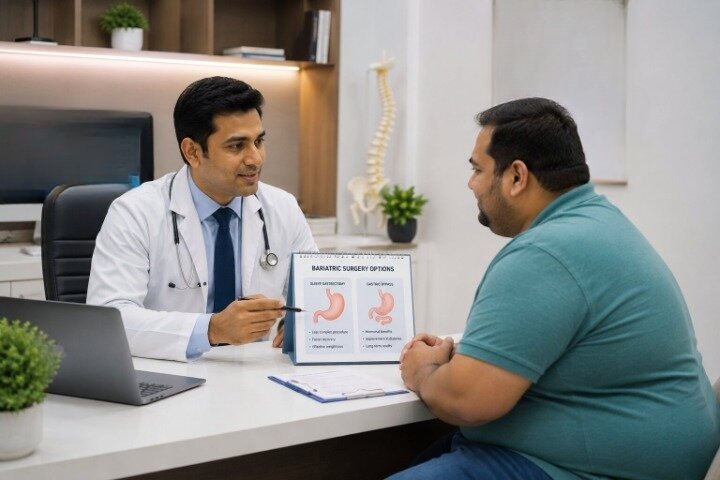
| Feature | Sleeve Gastrectomy | Gastric Bypass |
|---|---|---|
| Stomach Size | Reduced | Small pouch created |
| Food Intake | Reduced | Reduced |
| Calorie Absorption | Normal | Reduced |
| Weight Loss | Excellent | Excellent |
| Vitamin Supplements | Sometimes | Lifelong |
The best procedure depends on your BMI, eating habits, existing medical conditions and long-term health goals. An experienced Bariatric Surgeon in Pune can recommend the most appropriate option after a detailed consultation.
Bariatric surgery offers much more than weight loss. Many patients experience significant improvements in their overall health and quality of life.
Some important benefits include:
Patients who consult an experienced Bariatric Surgeon in Aundh often find that surgery becomes an important step toward long-term health when combined with healthy lifestyle changes.
Like every surgical procedure, bariatric surgery has certain risks. However with modern laparoscopic bariatric surgery these risks are generally low when performed by an experienced surgical team.
Possible risks include:
Regular check-ups, healthy eating and prescribed supplements help reduce these risks.
Recovery is usually quicker because most bariatric procedures are performed laparoscopically.
| Recovery Period | What to Expect |
|---|---|
| Day 1 | Walking begins |
| Week 1 | Liquid diet |
| Week 2–4 | Soft foods |
| Month 2 | Regular healthy meals |
| Month 6 | Noticeable weight loss and improved fitness |
Most patients return to normal daily activities within a few weeks depending on their overall health and recovery.
Surgery is only one part of the weight-loss journey. Long-term success depends on maintaining healthy habits.
These habits help maintain weight loss and improve overall health for years to come.
Yes. When performed by an experienced surgeon, bariatric surgery is considered a safe and effective treatment for obesity.
Weight loss varies depending on the procedure, BMI and commitment to lifestyle changes.
Sleeve Gastrectomy and Gastric Bypass are both effective. The best option depends on your individual health condition.
Many patients experience significant improvement in blood sugar levels and some may require fewer diabetes medications after surgery.
Bariatric surgery is not a shortcut—it is a scientifically proven treatment that helps patients achieve long-term weight loss and improve obesity-related health conditions. Choosing an experienced Bariatric Surgeon in Pune ensures that you receive the right guidance, procedure, and follow-up care. If you are struggling with obesity or related health problems, consulting a trusted Bariatric Surgeon in Aundh can help you understand your options and take the first step toward a healthier future.